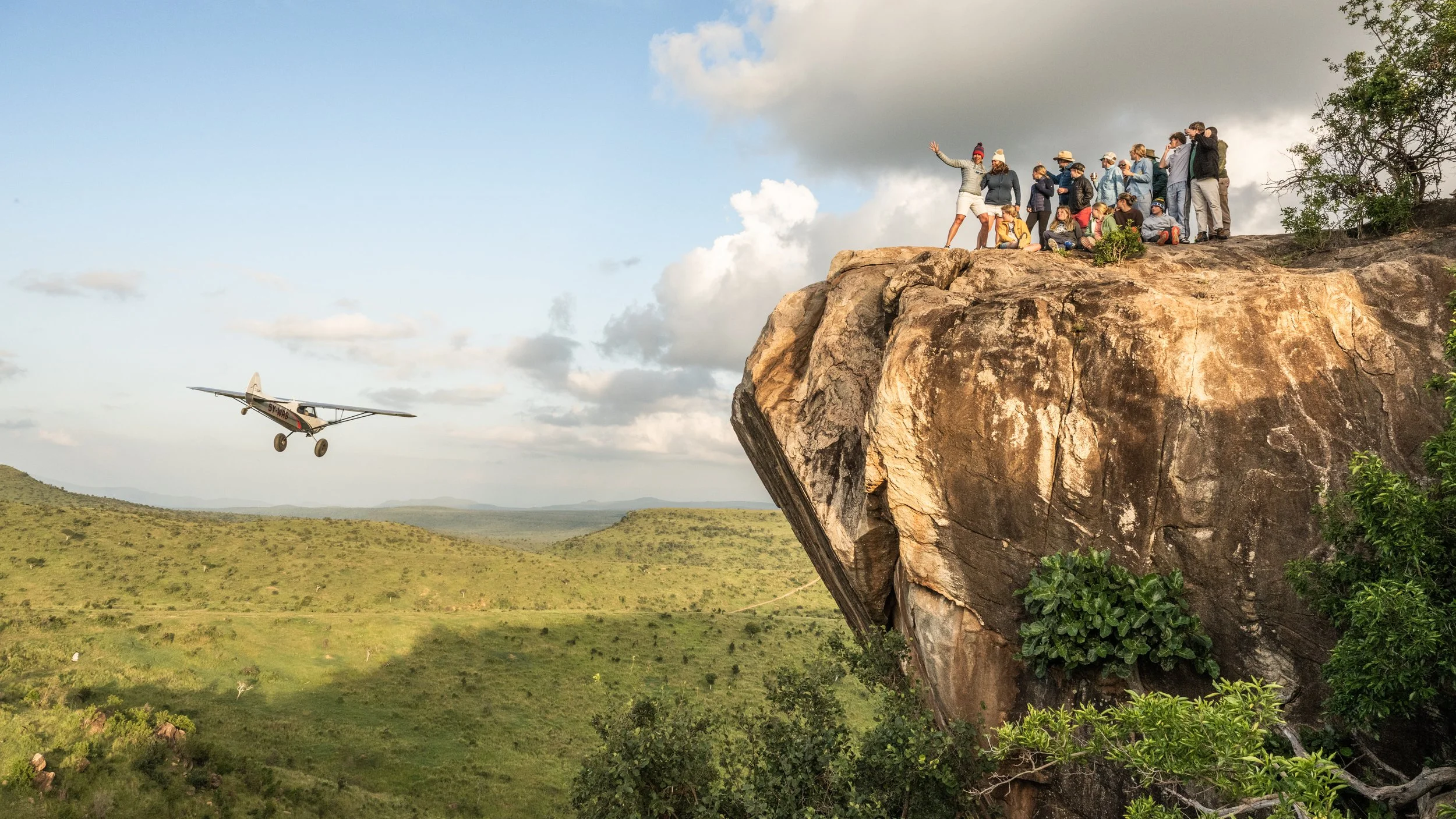
AN UNEXPECTED JOURNEY INTO SAFARIS
MOVING TO KENYA
In 2019, I made the life-changing decision to move to Kenya full time in pursuit of a dream: to build a life behind the lens.
At the time, I was 23 years old. Although I was already represented by an art gallery in England, which had provided my income throughout my years as a student in Oxford, I wasn't quite ready to take the leap into wildlife photography as a full-time career.
Instead, an opportunity came along that would shape the next chapter of my life. Thanks to the generosity of the Dyer family, and in particular Michael Dyer, I was given the chance to move to Kenya and manage Borana Lodge, set within the remarkable Borana Conservancy in Laikipia.
For the next three years, photography became part of everyday life. Alongside managing the lodge with my wife, Tamara, I also served as the conservancy photographer. Living on one of Kenya's leading wildlife conservancies meant I was constantly surrounded by extraordinary wildlife and landscapes, while my time off were rarely spent resting. Instead, I was out exploring Tsavo, the Chyulu Hills, Amboseli and the Serengeti, steadily building the portfolio that would eventually allow me to pursue wildlife photography full time.
By the time I left Borana Lodge, my prints were being sold by a growing number of galleries around the world, and I finally felt ready to dedicate myself entirely to photography.
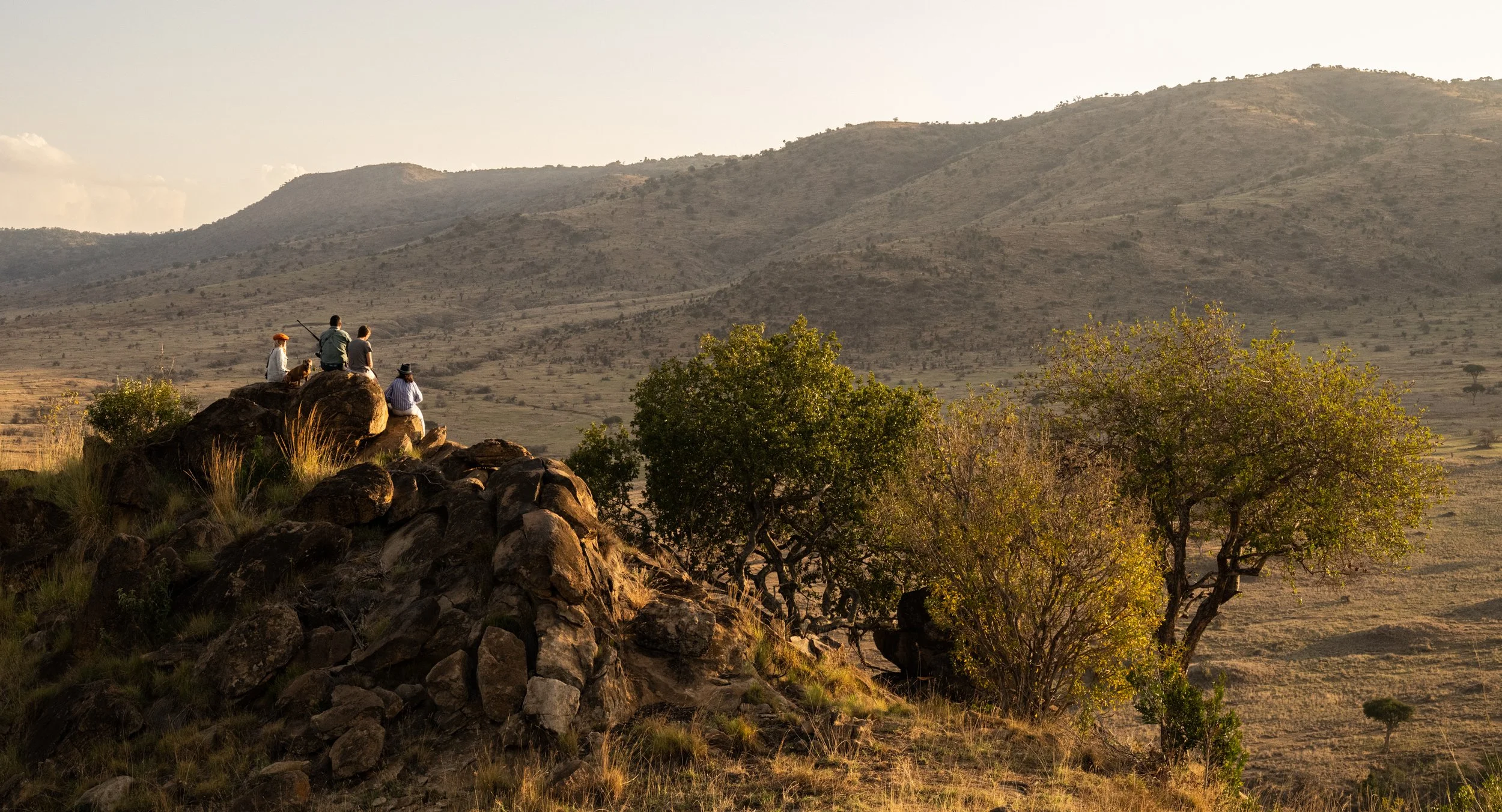
What I hadn't expected was how much I would miss hosting guests.
Life in a safari lodge can be relentless. Seven-day weeks and long hours are simply part of the job, and there were certainly moments when it felt exhausting. But once I left, the sudden absence of those daily conversations, shared wildlife sightings and the privilege of introducing people to Kenya's wild places left an unexpected void.
Then, at exactly the right moment, an Instagram message appeared.
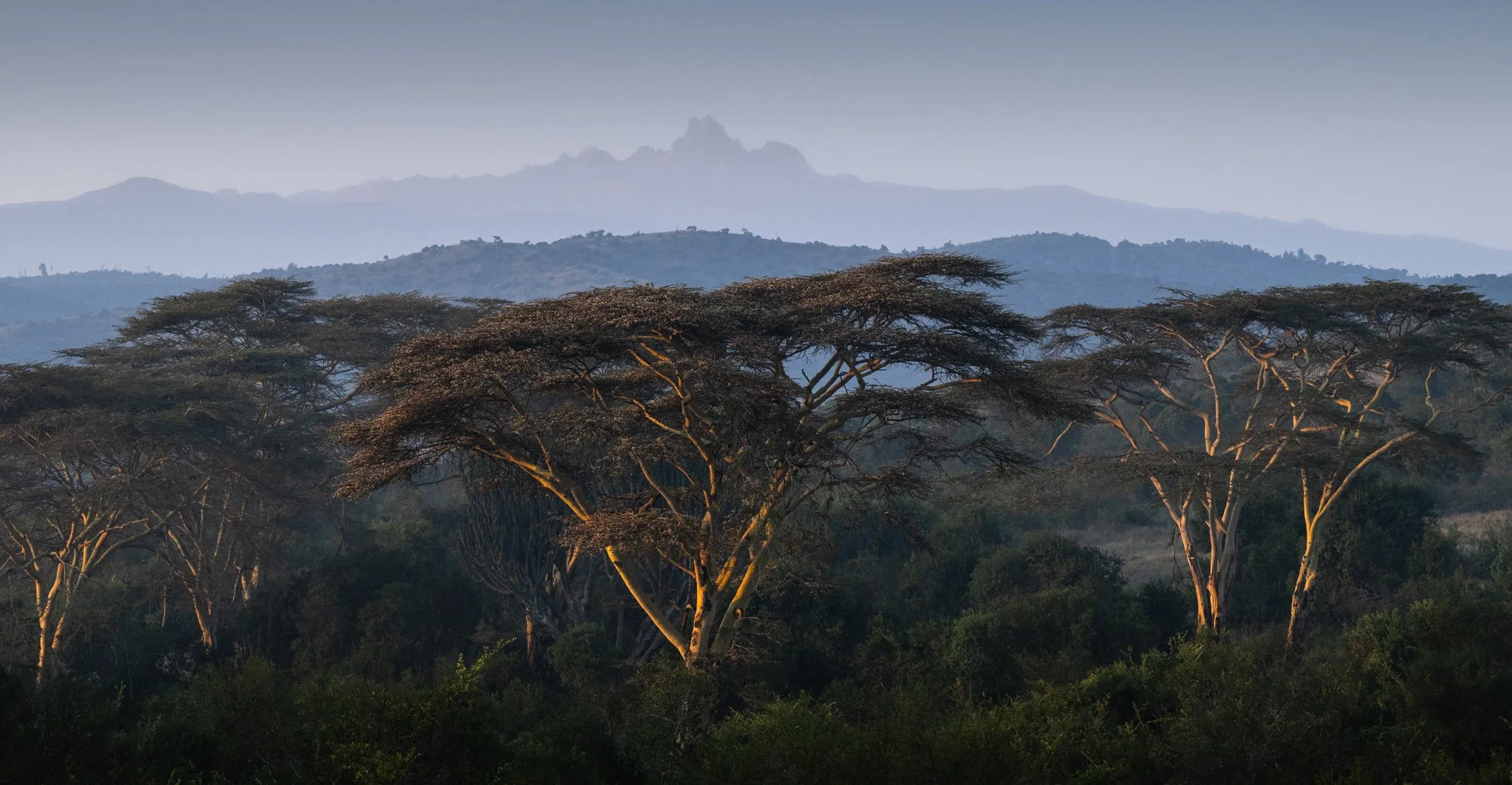
A view to Mount Kenya on Borana Conservancy, my home for 3 years.
THE INSTAGRAM MESSAGE
Completely out of the blue, an Instagram message appeared in my inbox.
"I've been following your work for a while and love your photography. Would you consider running a workshop in Amboseli focused on black and white elephant photography?"
At the time, I didn't offer safaris or photography workshops. I replied to explain that it wasn't something I normally did, but that I'd be happy to put together a one-off trip if she was interested.
A few days later, I sent over a proposed itinerary, fully expecting the conversation to end there. Instead, to my complete surprise, the reply came almost immediately: the trip was on.
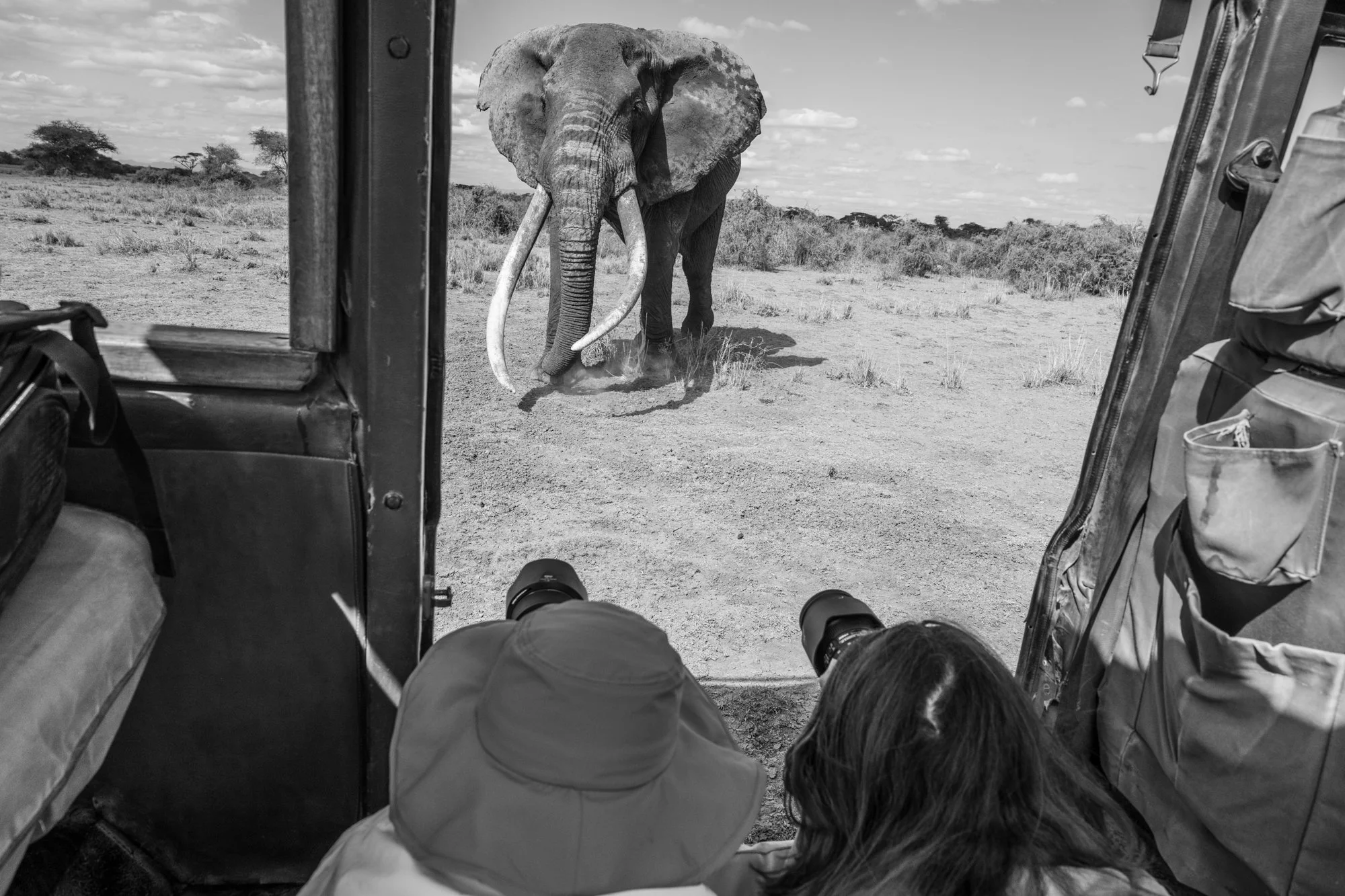
So, how did the trip go?
Thankfully, it couldn't have gone much better. The dry lake bed in Amboseli provided extraordinary photographic opportunities, while Craig, who was one of Amboseli's most iconic elephants left us speechless time and time again.
Before the trip had even come to an end, we were already talking about our next adventure together in Tanzania.
Five years later, that same guest has since brought the family on a privately guided safari and will be joining me for our sixth safari later this year. Through her recommendations, and those of several other returning guests, what began as a single Instagram message has quietly grown into something I never could have imagined.
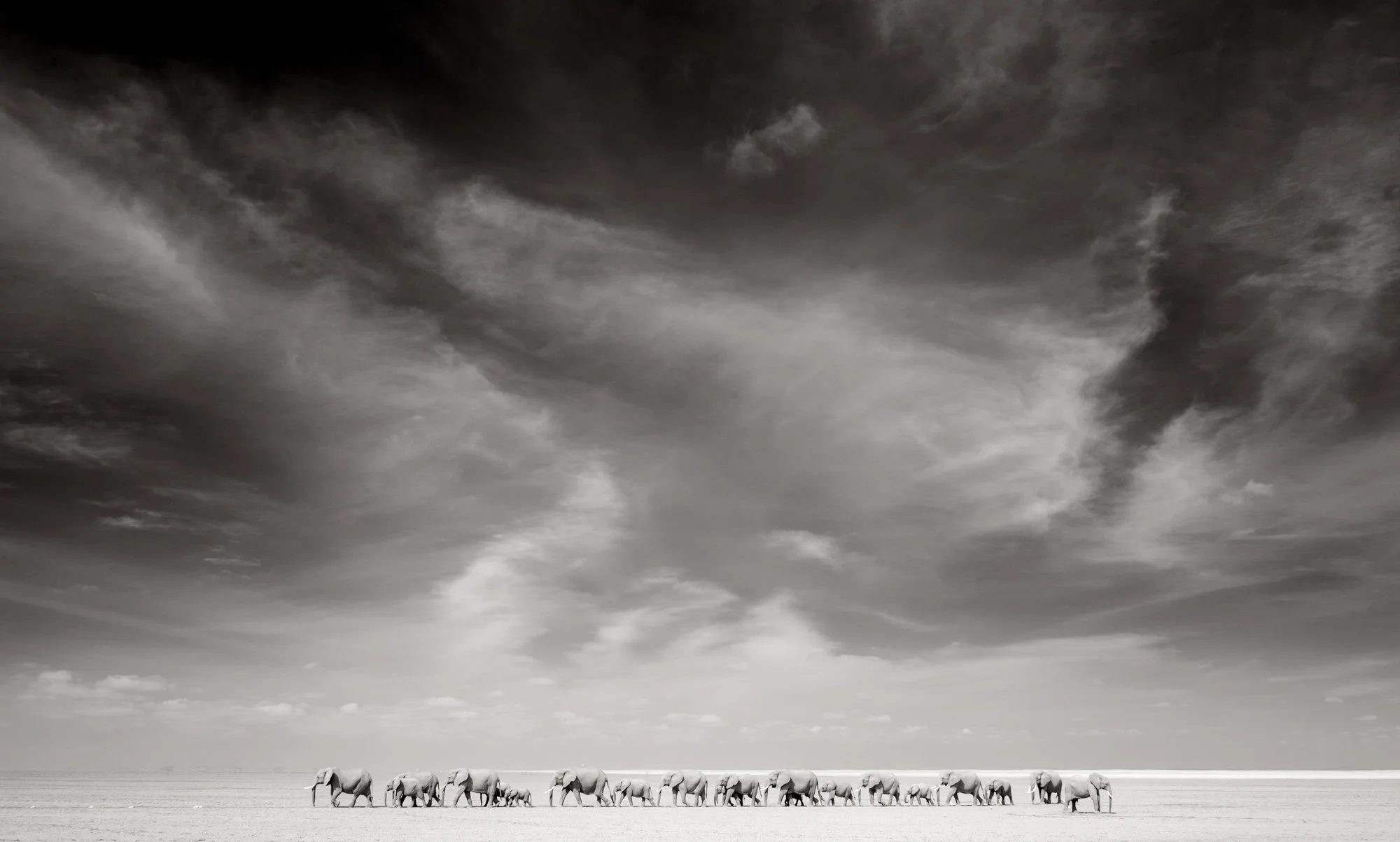
An elephant herd crossing the Amboseli Lake Bed, captured in infrared.
BECOMING A GUIDE
As the potential of my growing safari business was becoming clear, I realised I wanted to deepen my knowledge and experience. Following a personal invitation to privately guide for one of Africa's leading luxury safari operators, I made the decision that, while I was still young and without major commitments, I should take the opportunity to learn from the very best and become a professional guide.
After training for an extended period in Botswana and South Africa, I qualified with FGASA, one of the most widely recognised guiding qualifications in Africa. The experience completely transformed my understanding of the natural world, deepening my knowledge and awareness of the landscapes, wildlife and ecosystems that I had already fallen in love with.
Since then, I have had the privilege of guiding some of the most exclusive safaris across Africa, an opportunity that has taken me to some of the continent's most extraordinary wilderness areas.
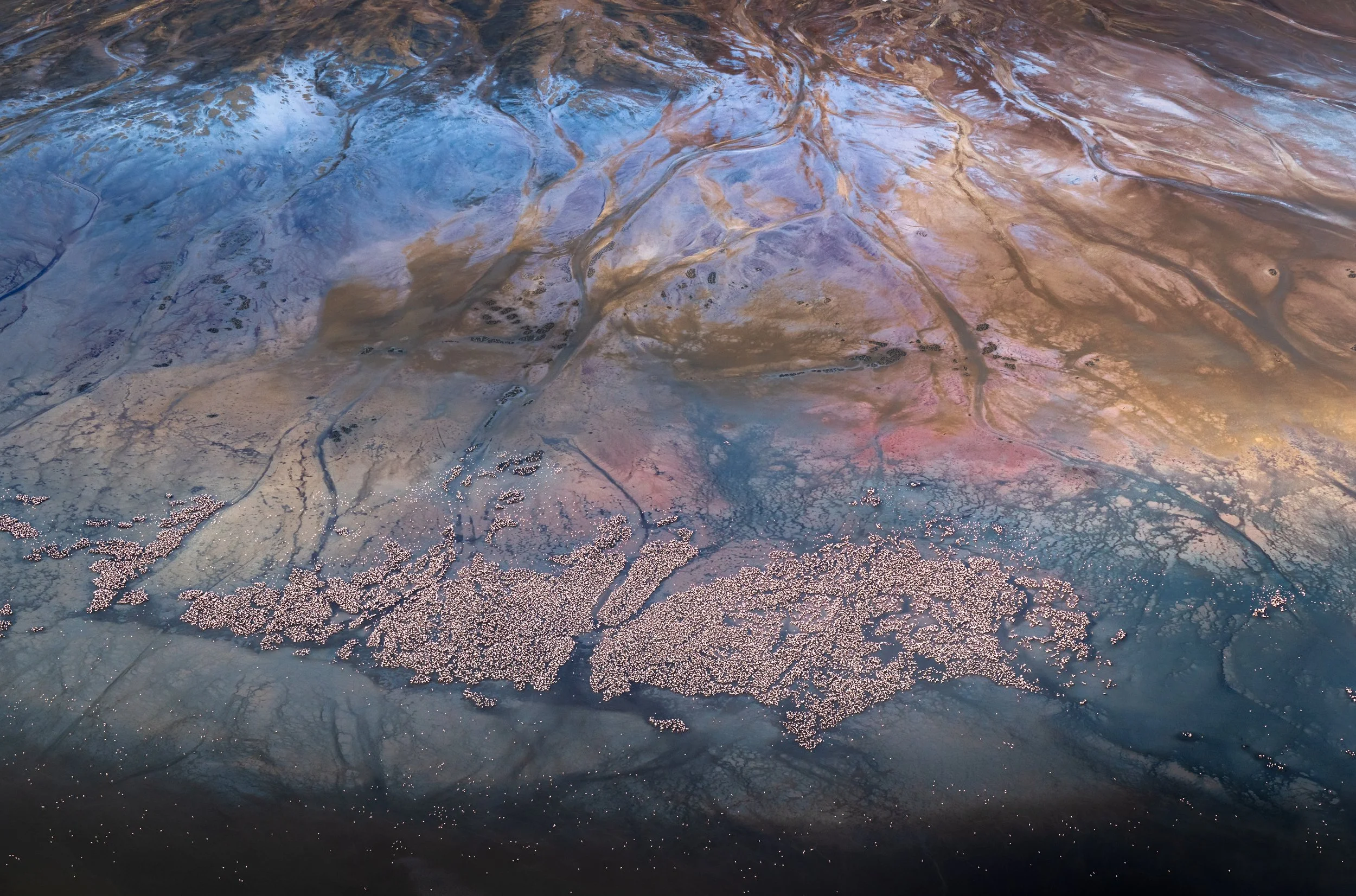
An aerial view from a helicopter safari of the world’s largest Lesser Flamingo breeding ground in Northern Tanzania last year.
FINDING BALANCE
Life as a wildlife photographer is often a solitary one, spending weeks alone in the bush in search of moments that translate into extraordinary images. There are no shortcuts when working with wild animals that cannot be directed or controlled. Anyone who tries to force a photograph will usually find themselves with the opposite of what they had hoped for.
Respect and patience always come first, but that doesn't mean the pressure disappears. When you've invested a significant amount of money and weeks of your time into a project, returning home without the photographs you envisioned can be incredibly difficult. I remember coming home from one of the most expensive trips I've ever undertaken with virtually nothing to show for it. It was a tough pill to swallow.
Over time, however, I've realised that persistence is one of the most important qualities in wildlife photography. While luck has undoubtedly played a part in some of my favourite photographs, I've found that the best response to disappointment is simply to start planning the return. More often than not, persistence is eventually rewarded.
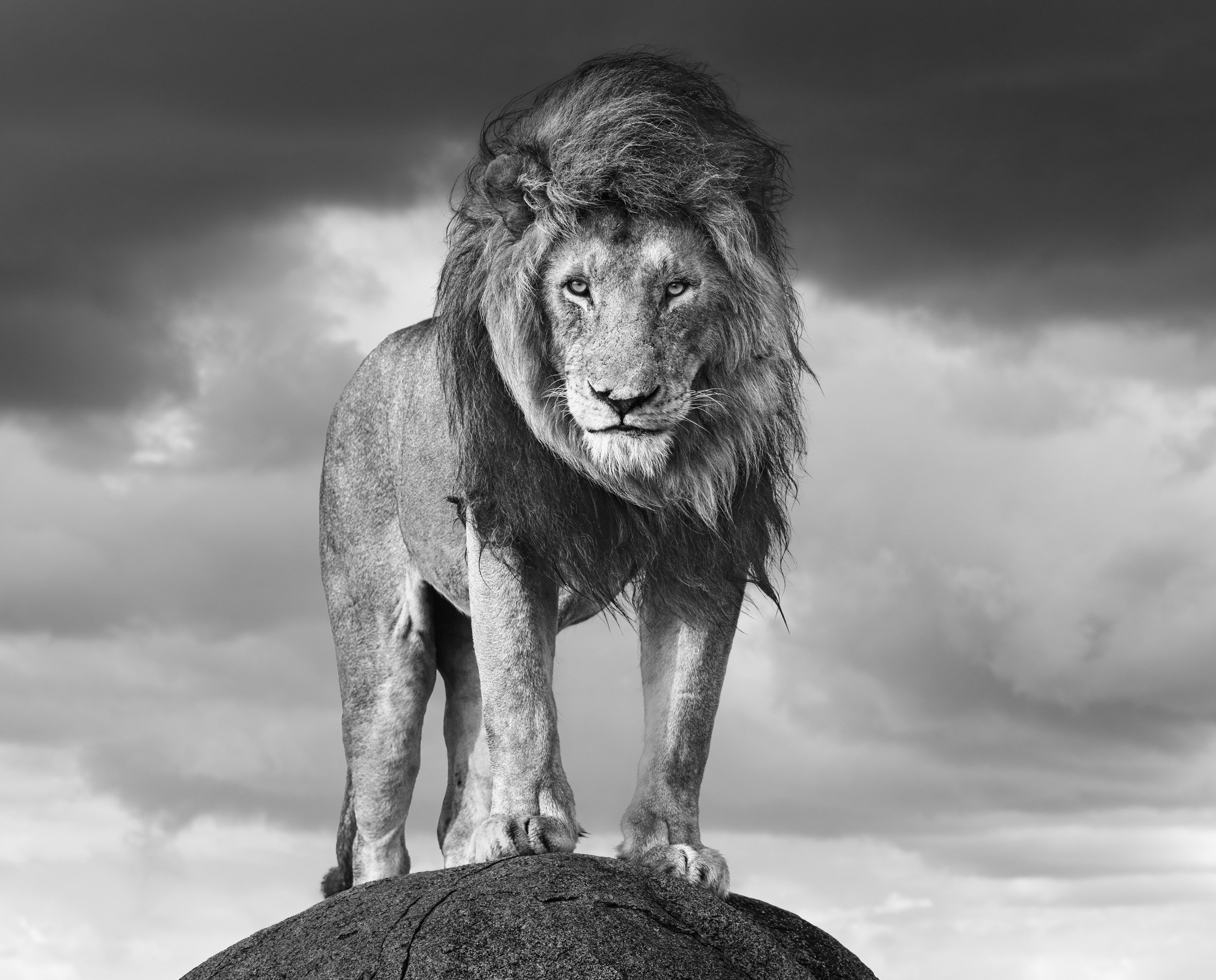
Serengeti Shall Never Die
An image I thought about virtually every time my head hit the pillow and took me 5 years to capture.
What I have loved most about guiding is the ability to experience familiar places anew through someone else's eyes. Whether I am hosting photographers searching for award-winning images or families experiencing a safari for the first time, my focus completely shifts towards creating the best possible experience and helping them create memories that will last a lifetime.
My cameras often spend more time in my bag than in my hands, with my priority becoming documenting the journey for my guests — whether capturing behind-the-scenes moments, or the special experiences along the way that allow them to relive their adventure for years to come.
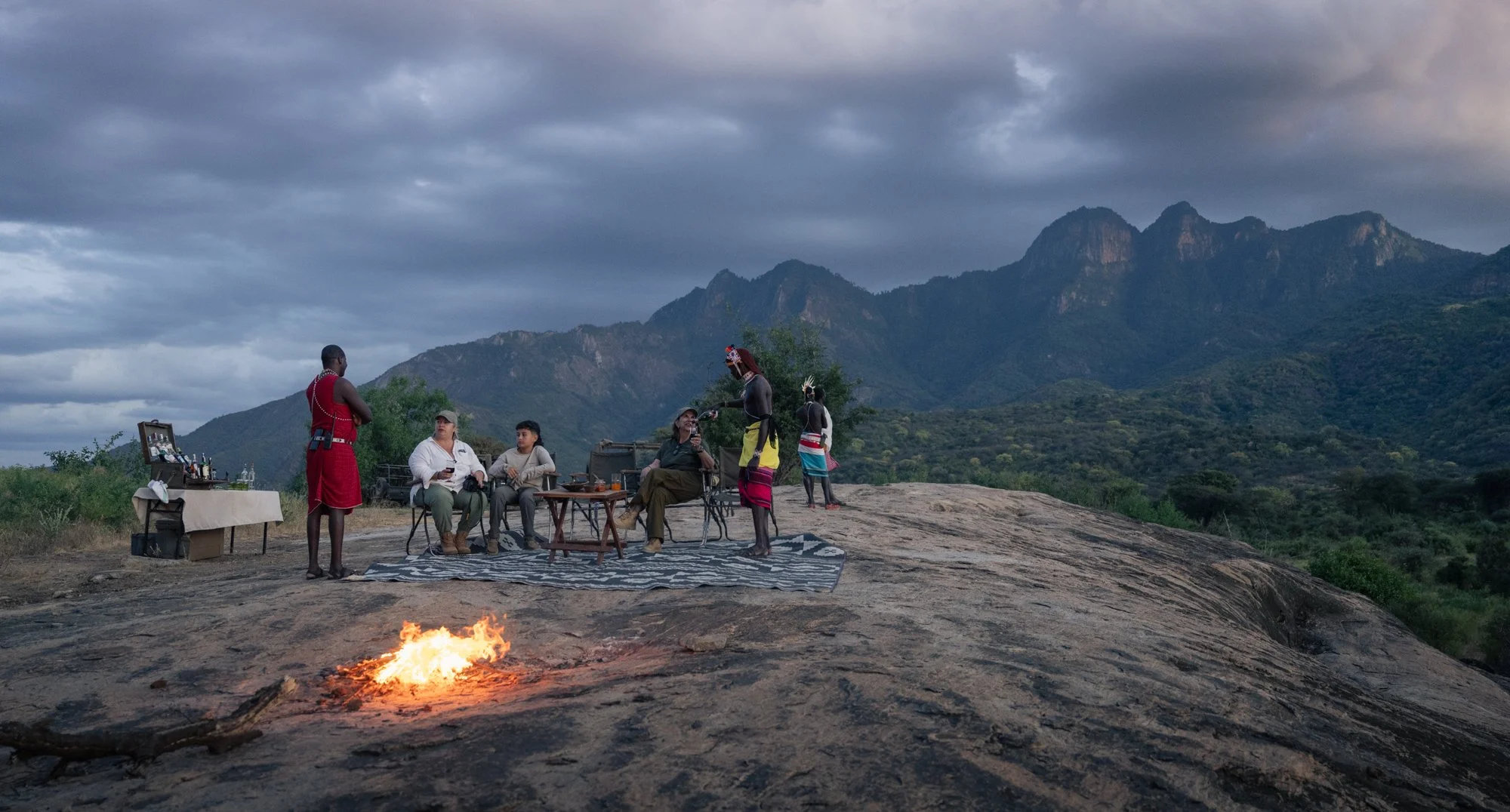
Sundowners in Namunyak Conservancy, Samburu.
Without the pressure of needing to create something for myself, I find myself simply appreciating the moments in front of me and experiencing the wilderness in a completely different way. For me, a life spent in the wilderness areas of Africa is a life well spent, and I feel incredibly privileged to spend so much of my time in these extraordinary places.
While I am incredibly lucky to live in a beautiful part of Kenya where elephants pass in front of us almost every day, my own photography trips have become increasingly focused. I don't simply go to the Serengeti without a clear purpose in mind. My safaris allow me to return to the places I love most, not with the pressure of creating an image, but with the privilege of sharing them with others and helping them create lifelong memories.
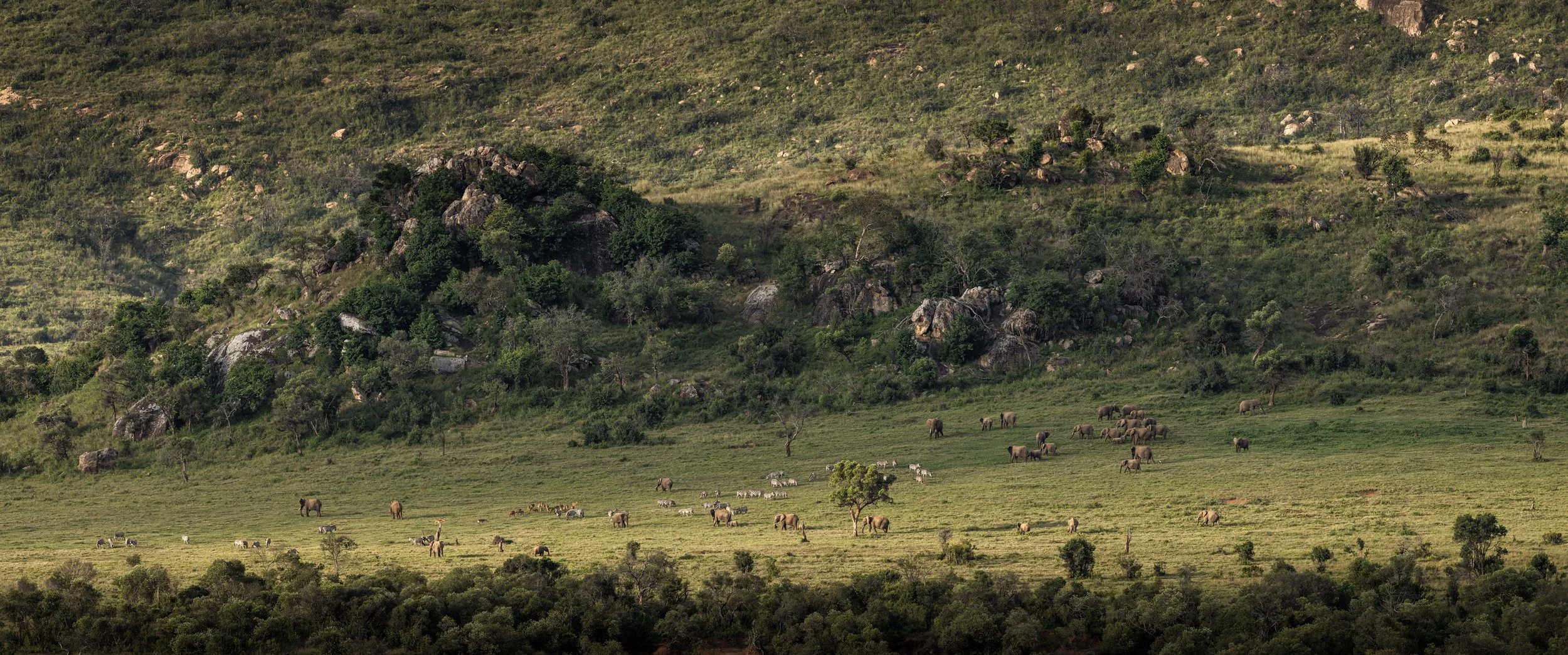
A place I still have to pinch myself each day to call home.
WHAT’S NEXT?
I have spent a long time deciding whether to keep my safaris completely private or share them more widely, but I have finally decided to include a dedicated safari section on my website.
If you are looking for a genuine experience in Africa, in places where your visit contributes meaningfully to conservation and local communities, with every detail passionately crafted by someone who calls Africa home, I would love to hear from you.
It would be a privilege to host you.